


Flickr Stream
Navigation
Search Site
amberjack angling aquaculture Baoshan Reservoir bar barramundi bass bass fishing bass. largemouth bass blogs blotched snakehead bonito books canal fishing catfish charter commercial fishing conservation cutlass fish cutlassfish dace disputed islands estuary estuary fishing Estuary Targets expat ffishing in Taiwan fish farming fish farms fishing fishing and navigation fishing in Taipei fishing in Taiwan fishing in Taiwan Fishing Maps Fishing News Fishing Report fishing shows fishing televsion fishing tips Fishing Tournament fishing tournament fishing tournament fishing video fly fishing Formosan landlocked salmon freshwater species Freshwater Targets General giant snakehead giant trevally GPS greater amberjack Green Island grouper GT hairtail Holland's carp Hsinchu County Indo-pacific tarpon inshore inshore fishing Japan Japanese Sea Bass Jhunan jigging kayak fishing Keelung kids king mackerel Kinmen lake fishing largehead hairtail largemouth bass Longtan (Yilan) lure fishing mackerel maps native fish species non-native species offshore fishing Opinion outdoor oxeye pay ponds peacock bass Photos pond pond pond County pond fishing popper predatory carp president fish Pure Fishing Asia Cup redfin culter reels river fishing rods safety saltwater fishing saltwater pond Saltwater Targets sea bass seabass seer fish shark fin shark finning sharks shimp shore fishing shore jigging shovel mouth carp shovelmouth carp snakehead spanish mackerel Spinibarbus hollandi spinnerbait sshore jigging stamps stream fishing striped bonito suzuki tackle Tackle Tainan taiwan Taiwan government Taoyuan Taoyuan County tarpon territorial disputes Tilapia Tools topmouth culter tourism trevally tuna Video weather Yilan 东方狐鲣 白帶魚 齒鰆
Twitter
Facebook

taiwanease

Taiwanted

Our Sponsors

Moon

CURRENT MOON

Contact Taiwan Angler
This form does not yet contain any fields.
    Powered by Squarespace

    Entries in river fishing (5)

    Friday
    Apr132012

    Chiayi County Township Expands Fish Conservation Program

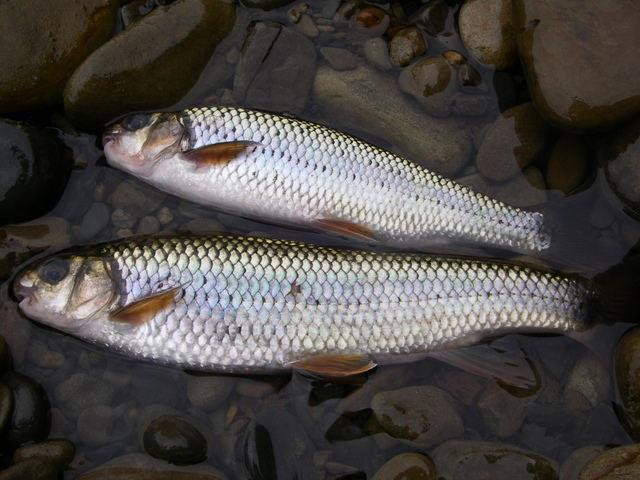
    Shoals of shovelmouth carp in the Danaiku Ecological Park.The Chiayi County township of Danaiku is expanding its successful local conservation program by boosting fish stocks in other area streams. The township banded together a few years ago and created a very successful grassroots program to protect the township's traditional fishing grounds from illegal electrical and cyanide fishing. The resulting Danaiku Ecological Park is now showcase program and the town's streams teem with fish--mostly striped dace and shoveljaw carp--which tour groups can tour and view. The township is now launching an combined tree planting and fish stocking program to improve conditions in other area streams within the Zengwen River drainage.

    Tuesday
    Apr102012

    Pinglin Fishing Ban To Be Lifted for Six Months

    Taiwan shovel jawcarp are common in the Pinglin drainage.The river through Pinglin will be open for fishing from May 1 through October 31. Anglers must apply for a fishing permit from the local tourism office in Pinglin. Most native species within the watershed may be taken on a catch and release basis. Common species in the river include Taiwan shoveljaw carp and ayu, among others. For more information, anglers can contact the Pinglin Tourism Office at 26658020. You can find the full article on the Taiwan Fishing Facebook pages (Chinese with Bing translation).

    Thursday
    Aug182011

    Keen on Cats

    I haven't had an opportunity to wet a line in a couple of weeks and I've been thinking on trying someithing new. I finally purchased some new fly line for the fly rod, as well as some bass-grade leader, so it may be time to get back to practicing my fly casting. Or I could go for something entirely different...

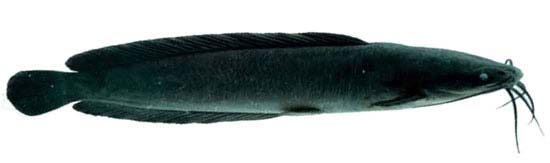
    I have also been keen on trying some local catfishing. While popular in the states, catfish golargely ignored as a target species in Taiwan. They mostly seem to be caught incidentally while fishing for other speciies, like carp. This is a shame, since Taiwan is home to several interesting varieties of catfish, most in the genus Clarias, which includes the walking catfish--now an invasive species in the U.S. A few can get quite large. I have read many online posts of people claiming to have seen fish up to a meter in length in the Keelung River near metro Taipei. I guess it's time to dig out the chicken livers and stink bait.Asian walking catfish (Clarias batrachus).

    Anyone who has done some catfishing in Taiwan, feel free to drop me a note and let me know how it went.

    Thursday
    Dec162010

    Species Profile: Holland's Carp

    Family: Cyprinidae

    Scientific names: Spinibarbus hollandi

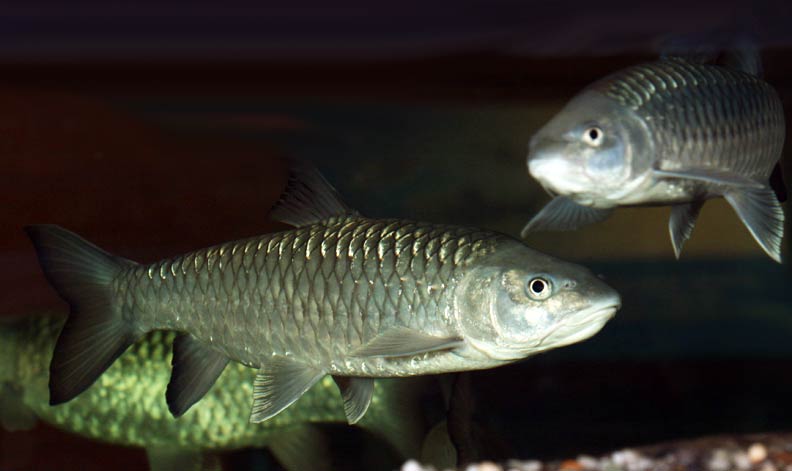
    Common names: Holland’s carpHolland's carp. Photo by Taiwan East-Coast National Scenic Area.

    Habitat: Running freshwater rivers and stream, with rocky or gravel bottoms.

    Size range: Largest specimens can reach up to 60cm, but most caught are in the 20-30cm range.

    Angling tactics: Since their primary food source is small fish and aquatic insects, most Holland’s carp are caught on artificial lures including spoons, spinners, solid plugs and soft baits (minnow imitations). The species is also a favorite among fly anglers who have success with nymphs, wet flies and small streamers.

    Sleeker and more attractive than the typical carp, it almost seems a shame to call it a carp. The Holland’s bears a closer resemblance to it’s popular (among European anglers) Cyprinidae cousin, the barbel. Physically similar, the barbel and Holland’s carp belong to two different genus—spinibarbus and barbus. The Holland’s carp is distinguished by is large symmetrical scales that range in color from silver-grey to bright chrome edged by black crescent shapes. The fish’s triangular dorsal fin is also edged in black.

    Found in southern China and parts of Southeast Asia, the Holland’s is a favorite among Taiwan anglers. A top predator, it is prized as a hard hitting and tough fighting river fish that fills a niche usually occupied by trout and other salmonids in less-tropical countries. The fish’s range extends to rivers on the southern and eastern sides of the island.

    While specimens have been recorded up to 60cm, half that size is more common. Little information on the Holland’s, particularly with regard to angling, is available in English language literature. That included the origin of its curious common name. Rather than being a geographical reference, it most likely it refers to the biologist that first identified the species. Post a comment if you have additional information on the Holland’s carp.


    Wednesday
    Dec082010

    Species Profile: Tilapia

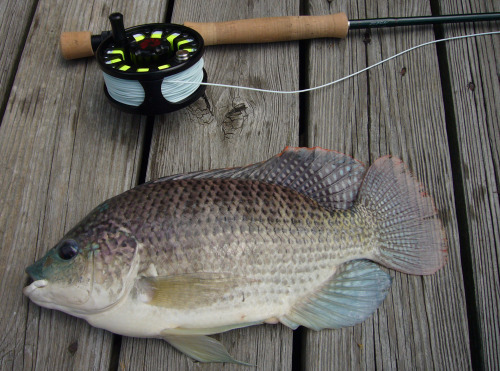
    A fly rod is a great way to pursue this widespread cichlid, but you have to get up early. Photo: Michael Rupert HayesFamily: Cichlidae

    Scientific names: (three primary species in Taiwan, though most “wild” specimens are hybrids. Oreochromis mossambicus, Oreochromis niloticus, Oreochromis aureus, Tilapia zillii

    Common names: (respectively) Mozambique tilapia, Nile tilapia, blue tilapia, red-bellied tilapia

    Habitat: Slow moving rivers and canals, ponds, lakes and swamps. Can tolerate low oxygen levels and high pollution.  Prefers areas of heavy aquatic vegetation, its main food source.  Prefers warm water and is sensitive to drops in temperature.

    Size range: Large specimens can reach 40-60 cm, depending on species. Individuals under 1 kg. are more common. Typically, tilapia size is determined by competition for food. Larger population concentrations result in smaller fish.

    Angling tactics: Most local anglers fish with prepared baits or worms. Flies can be productive depending on time of day. Large specimens have been known to strike top-water lures when spawning/brooding.

    Love them or hate them, tilapia are one of the most commonly pursued freshwater fishes in Taiwan. This is mostly due to their ubiquitous nature and ability to flourish nearly everywhere warm fresh water can be found. Urban rivers, canals, farm ponds and swamps are all likely places to find tilapia. Their prevalence leads some “serious” anglers to turn their noses up at this fascinating import that has played a key role in the island’s aquaculture industry.

    Widespread though they may be, tilapia can be fun and challenging to catch, particularly on artificials. They are omnivores, but vegetation makes up the largest part of their diet.  Many anglers swear by prepared baits, corn or bread. Worms can also work. Before dawn and just around dusk, tilapia will often begin feeding on insects and this is the best time to get out the fly rod.  

    Tilapia are generally considered good eating and have a mild flavor, but be mindful of the water quality in the area you are fishing. Most tilapia sold commercially or in local restaurants are farm-raised.

    Tilapia are rapid breeders (individuals spawn several times a year), invasive and can push out more sensitive native species, so catch-and-release is not necessary and in some cases may even be discouraged.

    Tilapia fight hard once hooked and are a particularly fun fish to catch on light tackle. Their ease in locating makes them an excellent choice for introducing young anglers to the passtime.

    Further reading:

    Taiwan Tilapia-- The Fish That Became a National Treasure